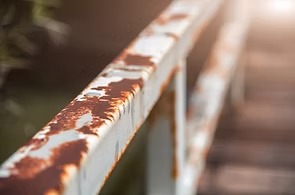
Although there are many ways to protect steel from rust, hot dip galvanizing is the strongest, longest lasting, and lowest lifetime cost option. Paint and powder coating require maintenance over the steel’s lifetime. And once the paint coating has become broken, either cracked or chipped, the protection is compromised.
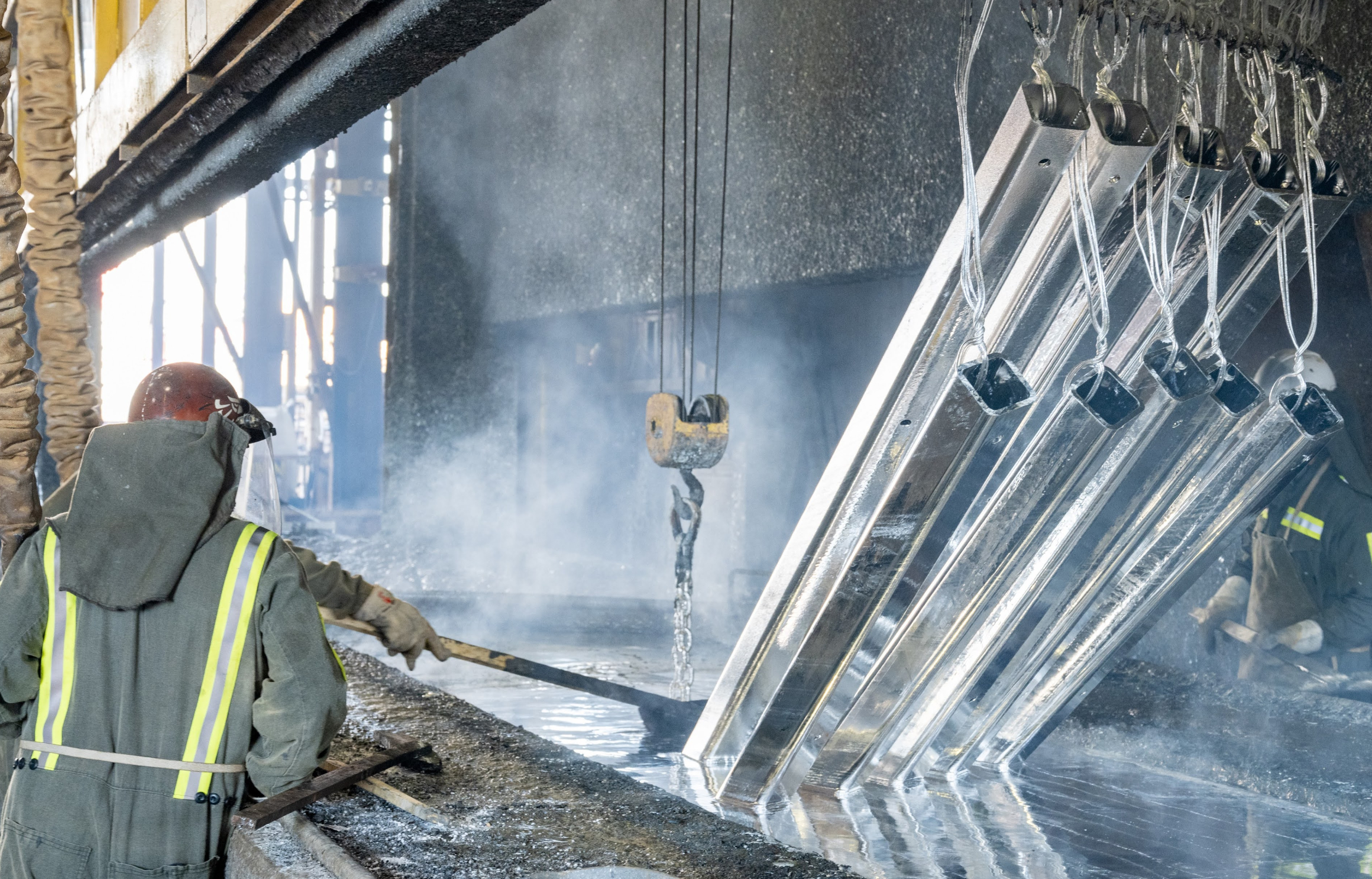
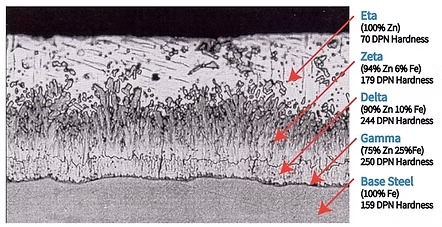
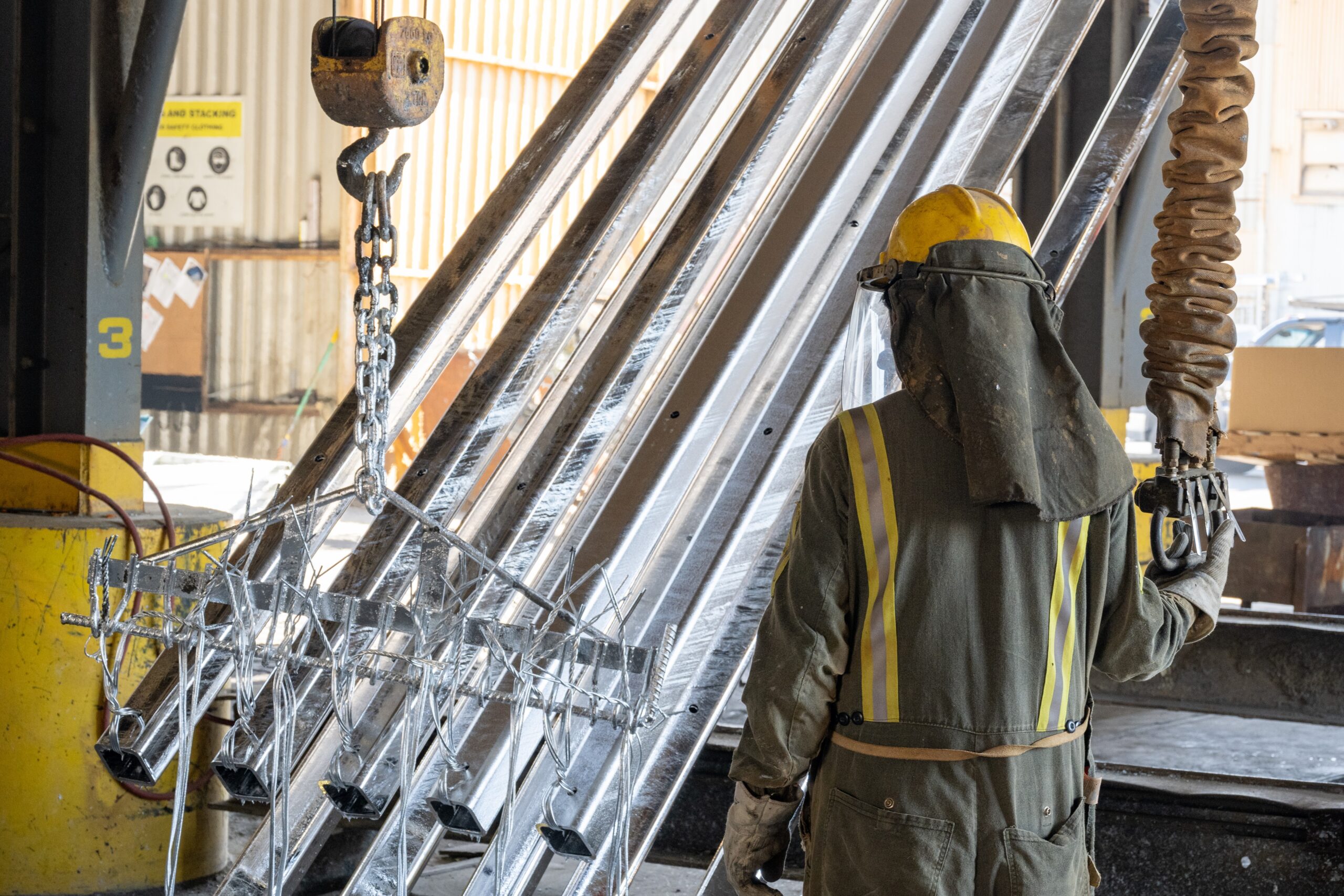
Hot dip galvanizing forms a new layer, impregnated in the steel, to guard against rust. It is not a coating, it is a metallurgical bond to the steel. In addition to needing little to no lifetime maintenance, zinc can continue to protect steel even if a portion were compromised. Zinc is a “sacrificial” element which will “guard” the exposed area.
Galvanized coatings actually become stronger during the weathering process. Exposure to natural weather patterns causes the zinc coating to develop a zinc carbonate layer, which is extremely strong, and weather resistant. This usually appears as a dull, flat grey color.
Zinc provides cathodic protection, meaning it will oxidize before steel, “sacrificing” itself for the steel protection. Because of this galvanizing can still offer corrosion protection even if the galvanized layer were to become compromised.
Most galvanized pieces require little to no lifetime maintenance, greatly reducing the lifecycle cost and extending the total project lifetime exponentially.
Zinc and Steel are almost 100% recoverable at the end of use, meaning it can be recovered and recycled.
In order to maximize the quality and effectiveness of the galvanization process, you’ll need to consider a number of factors before fabricating your product.
Consult with our team of experts as early as possible in the design process to take advantage of our years of experience, avoid common pitfalls and achieve a better overall product.
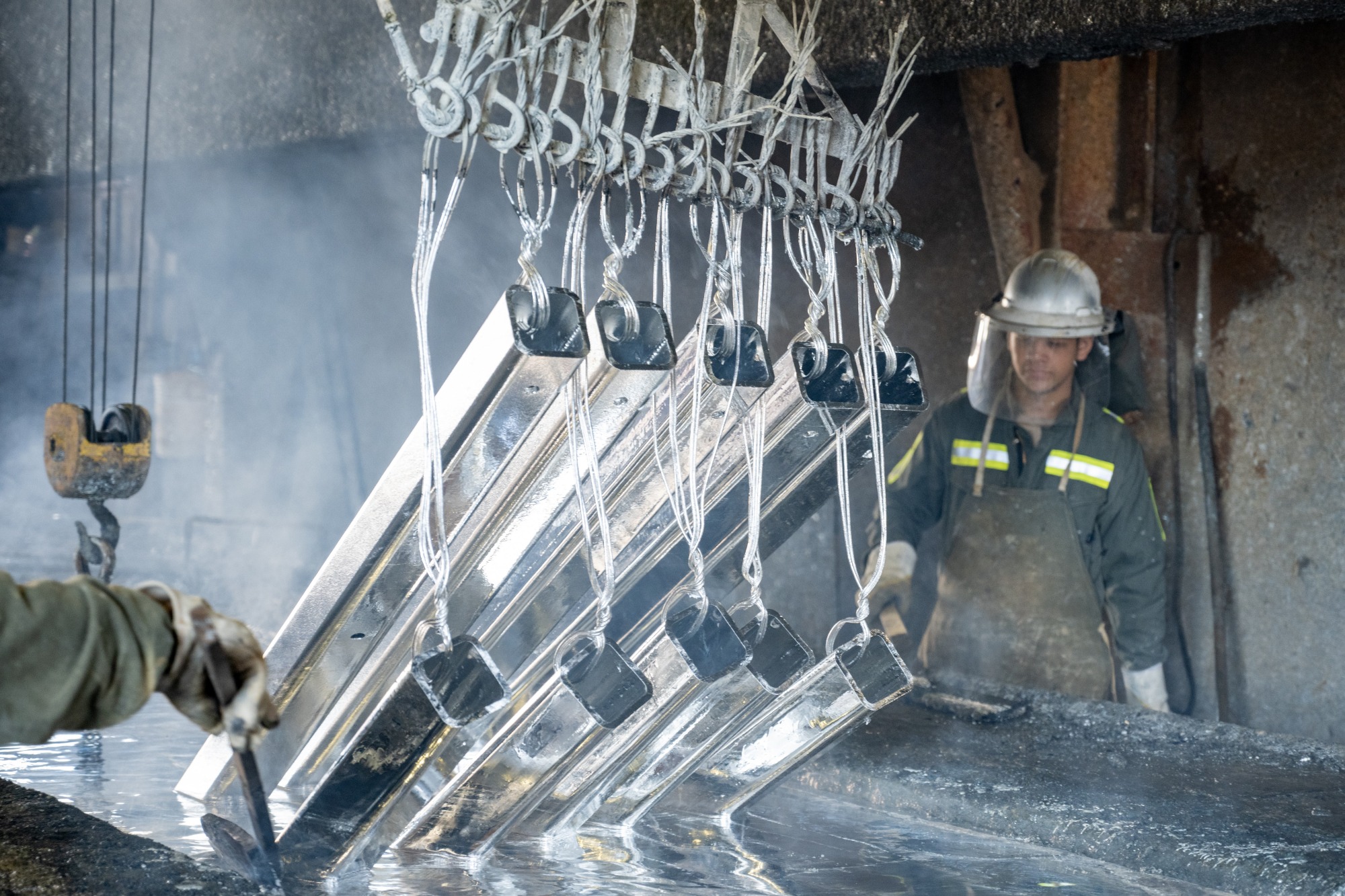
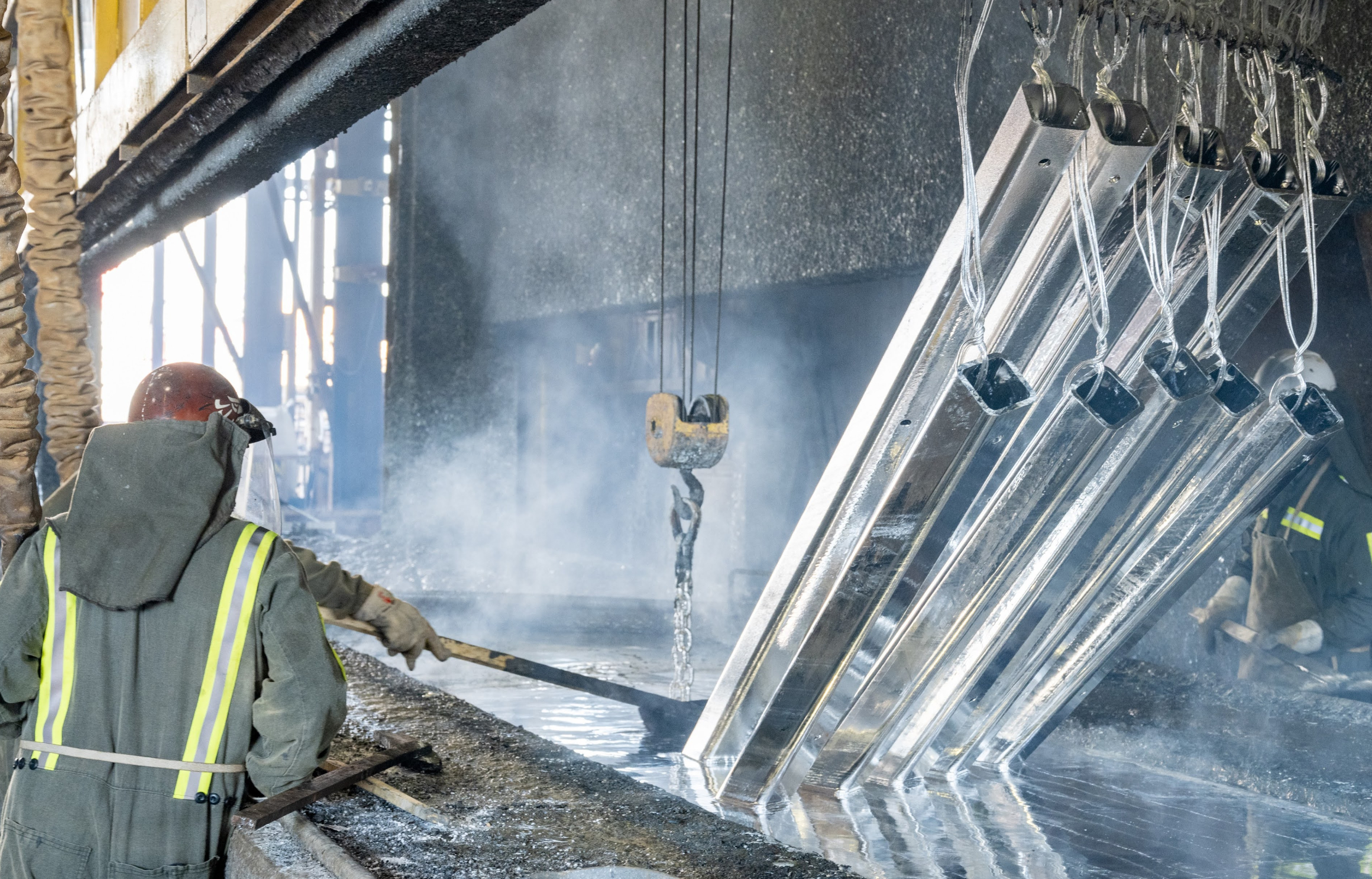
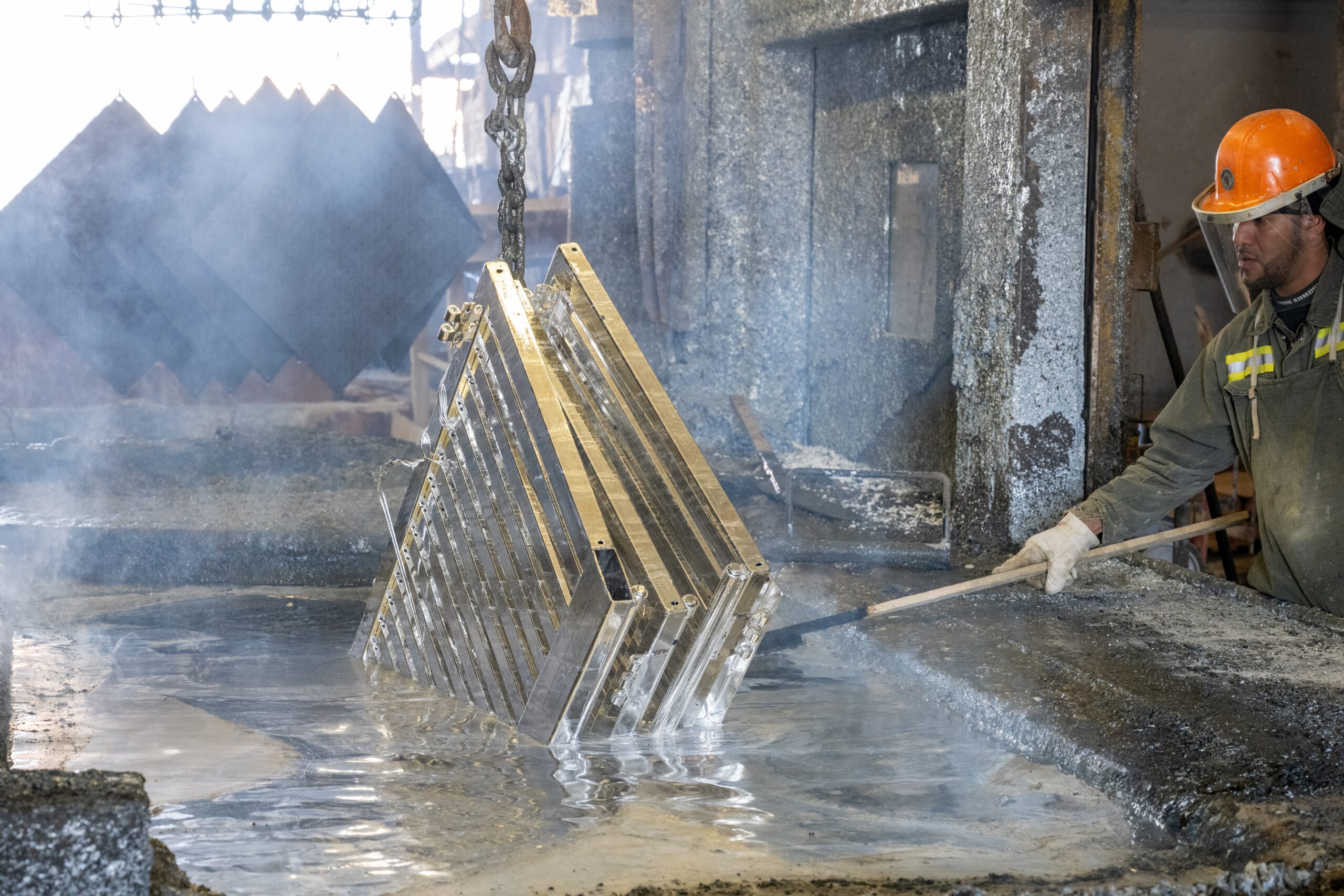
Venting and Drainage: To ensure that all interior and exterior surfaces of a product are protected from corrosion, the entire fabrication is lowered into cleaning solutions, flux solutions, and molten zinc. It will be important to incorporate strategically placed holes in the fabrication to optimize drainage and for air to escape to ensure the fabrication can be completely submerged.
Material Condition: Just like painting, galvanizing is all in the prep work. Stickers, glue, anti splatter, heavy rust, paint, or laquer are not cleaned off in the prep process, and can impact the final quality.
Size and Shape: Pacific Galvanizing has 2 kettles, 42’ x 4’ x 6’, and 14’ x 5’ x 6’. Often, certain design decisions need to be made to ensure that fabrications can properly fit in a galvanizing kettle. Consultation with our experts at the earliest stage of design will help you avoid common sizing errors.
Material Selection: Galvanization works better on some metals than others. A fabrication consisting of more than one material or with more than one type of steel may affect the quality and uniformity of the zinc coat and in some cases, fabrications could become susceptible to embrittlement and other complications.
Contact us now by calling 510.261.7331 or fill out the form .
510 261 7331
715 46th Ave. Oakland, CA 94601